Mold Remediation in the Triangle and Harnett County — Assessment First, Every Time
We look before we recommend. If there's mold in your home, we find it, show it to you, and give you a written scope before a single treatment begins.
Mold Is Common in NC Homes — and It's Not Always the Emergency You Fear
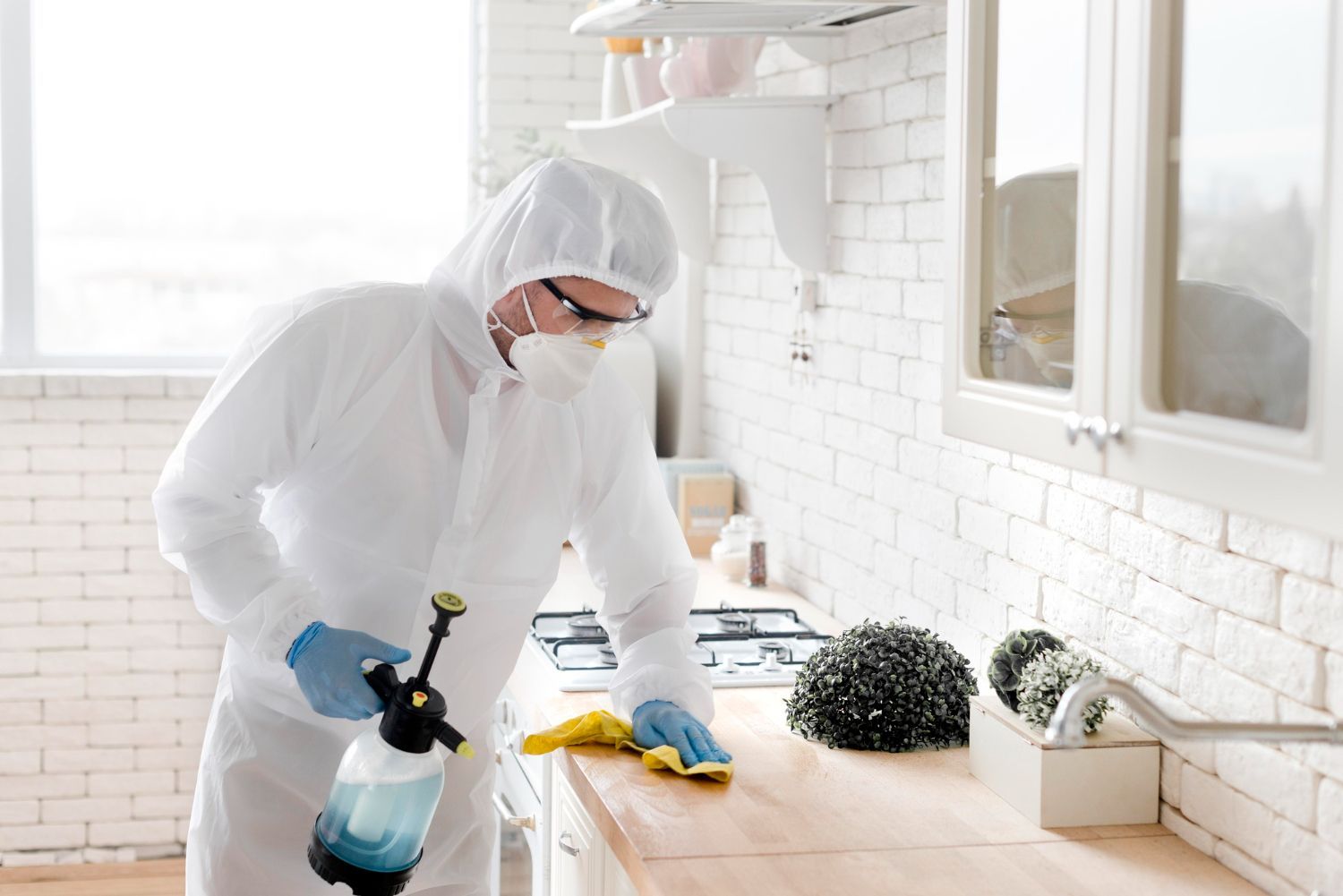
North Carolina's Piedmont humidity, combined with the vented crawl spaces found in most pre-2000 construction across Harnett and south Wake County, creates conditions where mold doesn't need a flood to take hold. A wet spring, a slow crawl space leak, or a stretch of high humidity is enough. That doesn't mean every mold situation is catastrophic — but it does mean it's worth understanding what you're actually dealing with before drawing conclusions.
Most homeowners who contact us for mold removal in NC aren't sure how serious their situation is. That uncertainty is exactly what we address first.
What Mold Remediation Includes — Our Process, Step by Step
Every mold remediation job follows the same structured sequence. Nothing is skipped to save time, and no treatment begins before you've seen what we found.
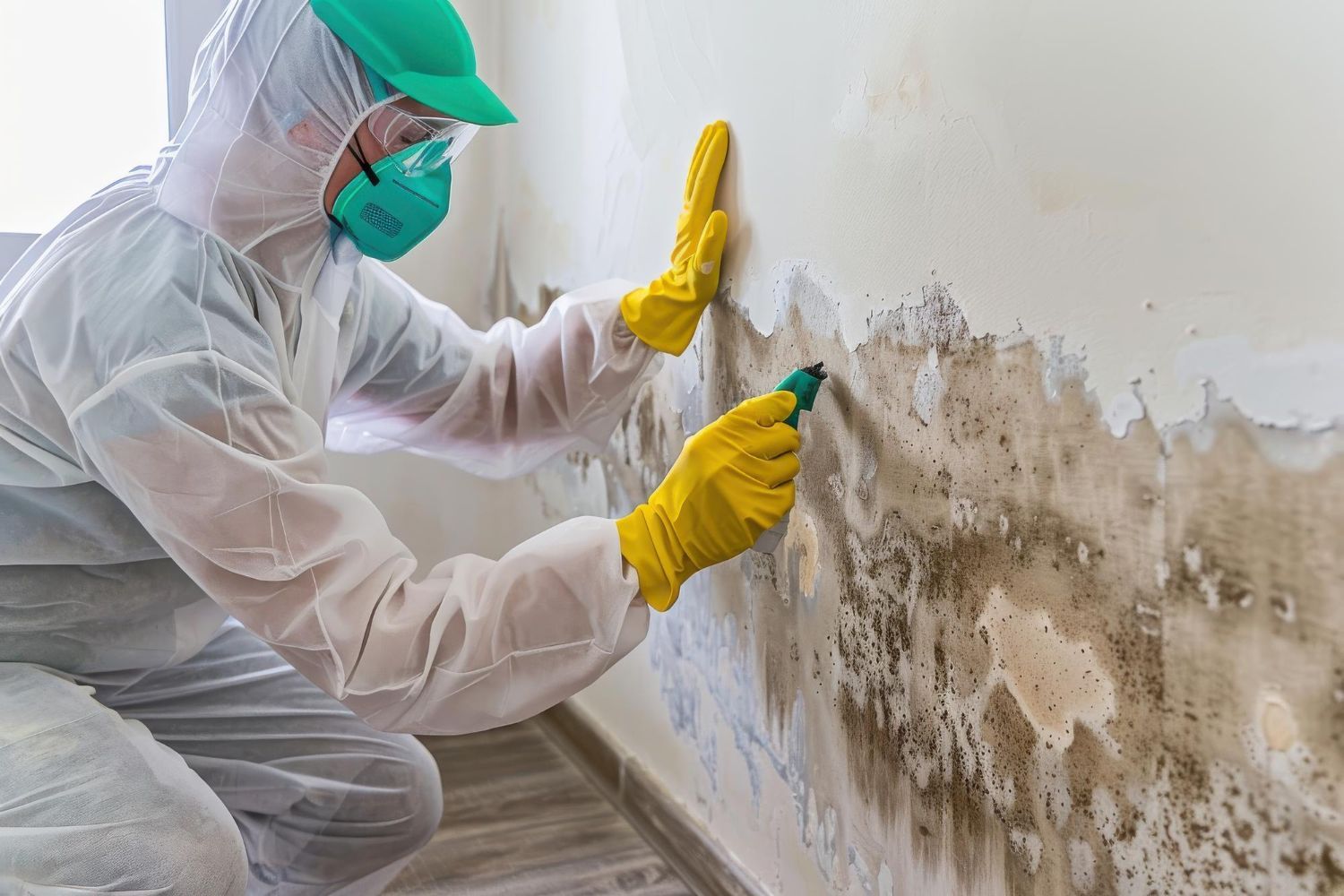
Step 1: Visual Inspection
We walk the affected areas — crawl space, basement, attic, or living space — and document what's present. You see the photos before we say anything else.
Step 2: Scope Assessment
Based on the inspection, we identify the extent of growth, the likely moisture source, and the appropriate treatment. If the scope is limited, we tell you that. If it's more involved, we show you why.
Step 3: Containment
Before any remediation work begins, we isolate the affected area to prevent spores from spreading to unaffected parts of the home during treatment.
Step 4: Treatment with EPA-Registered Products
We use EPA-registered MediClean disinfectant — the same product used on every Capital Clean Air job — to treat affected surfaces. It's effective, proven, and safe for residential environments.
Step 5: Post-Remediation Photo Documentation
Before we leave, we photograph the treated area. You receive before-and-after documentation as a standard part of every job — not an add-on, not a request you have to mak
Crawl Space Mold Is the Most Common Mold Problem We See in This Area
In Harnett County and south Wake County, the majority of mold calls we receive involve crawl spaces. Vented crawl spaces pull in warm, humid outside air during the summer months. That air meets cooler wood surfaces and condenses. Mold follows.
If you're seeing discoloration on floor joists, noticing a musty smell coming through your floors, or finding elevated humidity readings under your home, crawl space mold is the likely explanation. Remediation treats what's there. Crawl space encapsulation addresses the moisture conditions that allowed it to develop in the first place.
Why Mold Quotes Vary So Much — and How We Keep Ours Honest
Mold remediation costs in NC range widely because scope varies widely. A small isolated patch on a crawl space joist and a full attic remediation are not the same job, and any quote that doesn't start with an inspection isn't a real quote.
At Capital Clean Air, your written scope comes from what we actually found — not from a worst-case estimate designed to cover every possibility. You review the scope and approve it before any work begins. If the situation is less serious than you feared, we tell you that upfront.
Dan is on-site for assessments. The same crew that inspects your home performs the remediation. There's no handoff between a salesperson and a separate crew — what you're told is what you get.
Why Homeowners in the Triangle Choose Capital Clean Air for Mold Removal
-
67 five-star Google reviews, all organic — no incentivized or curated submissions
-
BBB A+ accredited since 2022
-
NADCA member in good standing
-
EPA-registered MediClean disinfectant used on every treatment
-
Before-and-after photo documentation included as standard
-
Dan on-site for assessments — the person who inspects your home is the person accountable for the result
-
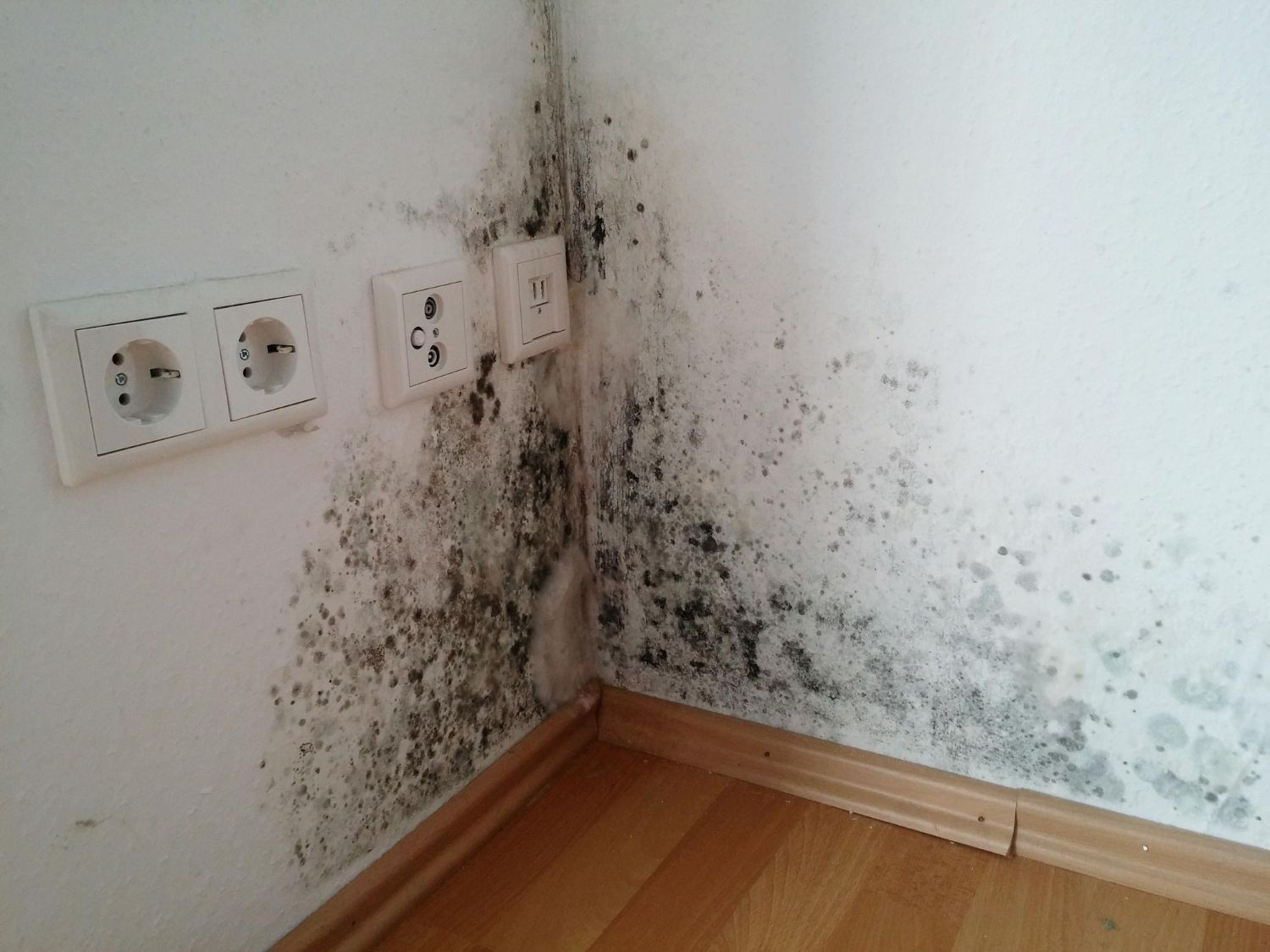
Four-plus years of real job photography across mold, crawl space, and IAQ work — no stock imagery
How Much Does Mold Remediation Cost in NC?
Mold remediation cost in NC depends on the size of the affected area, the surface types involved, and whether any structural materials require removal. Crawl space mold remediation — the most common scenario in this region — typically involves treatment of floor joists and subfloor surfaces and is generally more straightforward than attic or wall cavity remediation.
We provide a written cost estimate based on the inspection findings. No number is given before we've seen what's there, and no work begins before you've agreed to the scope in writing. If you'd like a general sense of what to expect before scheduling, our cost guide covers the variables that affect pricing.
For a detailed breakdown, visit our mold remediation cost guide.
Frequently Asked Questions About Mold Remediation
How do I know if I have mold in my home?
The most common indicators are a persistent musty odor, visible discoloration on walls, ceilings, or wood surfaces, and unexplained allergy or respiratory symptoms that improve when you leave the house. In NC homes with crawl spaces, mold often develops out of sight — a visual inspection is the only reliable way to know what's actually present.
What does mold remediation include?
A complete mold remediation job includes a visual inspection, a written scope assessment, containment of the affected area, treatment with EPA-registered products, and post-remediation photo documentation. At Capital Clean Air, all five steps are standard on every job.
How much does mold remediation cost in NC?
Costs vary based on the size and location of the affected area. Crawl space mold remediation is typically the most common and most straightforward scenario in this region. We provide a written estimate based on inspection findings — no estimate is given before we've seen the space, and no work begins before you approve the scope.
Is mold remediation near me in Fuquay-Varina or Angier different from a larger market?
The process is identical regardless of location. Capital Clean Air serves Fuquay-Varina, Angier, Holly Springs, Garner, Raleigh, and surrounding Wake and Harnett County communities with the same crew, the same products, and the same documentation standard on every job.
Do I need mold testing before remediation?
Not always. In many cases, visible mold growth is sufficient basis for remediation — testing is most useful when mold is suspected but not visible, or when post-remediation clearance documentation is required. We'll tell you during the assessment whether testing adds value in your specific situation.
What happens after mold remediation — will it come back?
Remediation removes existing growth, but mold returns if the underlying moisture source isn't addressed. In crawl spaces, that typically means improving ventilation or moving to a sealed, encapsulated system. We'll identify the moisture source during the assessment and discuss prevention options — including crawl space encapsulation — as part of the conversation.
Ready to Find Out What's Actually in Your Home?
Schedule a mold inspection with Capital Clean Air. We'll look at what's there, show you what we found, and give you a written scope before recommending anything. Serving Angier, Fuquay-Varina, Holly Springs, Garner, Raleigh, and surrounding communities in Wake and Harnett County.