Before You Replace the Dryer, Clean the Vent
Most slow dryers aren't broken — they're blocked, and a single professional cleaning restores performance and eliminates a genuine fire risk that most homeowners don't take seriously until it's too late.
2,900 Dryer Fires a Year. One Cleaning Prevents Most of Them.
The U.S. Fire Administration reports approximately 2,900 residential fires annually are caused by clogged dryer vents, with failure to clean cited as the leading cause. That's not a fringe statistic — it's a documented, preventable pattern. Lint is highly flammable, and every dryer cycle pushes more of it into the exhaust duct. Over time, the buildup restricts airflow, raises operating temperatures, and creates the exact conditions that start fires.
Annual dryer vent cleaning is the standard recommendation from both the NADCA and the U.S. Fire Administration — not because it's a sales pitch, but because a year of normal use is enough to create meaningful buildup in most homes.
Is Your Dryer Telling You Something Is Wrong?
Lint accumulation doesn't announce itself — it shows up as symptoms that are easy to dismiss or misread as appliance failure. If any of these sound familiar, your dryer vent is the most likely cause.
- Clothes take two cycles to dry or come out still damp
- The dryer exterior feels unusually hot to the touch during operation
- You notice a burning smell when the dryer is running
- Visible lint accumulating behind or around the dryer
- The laundry room feels more humid than usual after a cycle
These are the same symptoms that send homeowners to appliance stores looking at new dryers. In most cases, the dryer itself is fine. Dryer vent blockage from lint accumulation is a more common cause of extended drying times than mechanical failure — a professional cleaning restores airflow and performance without the cost of replacement.
What Dryer Vent Cleaning Actually Involves
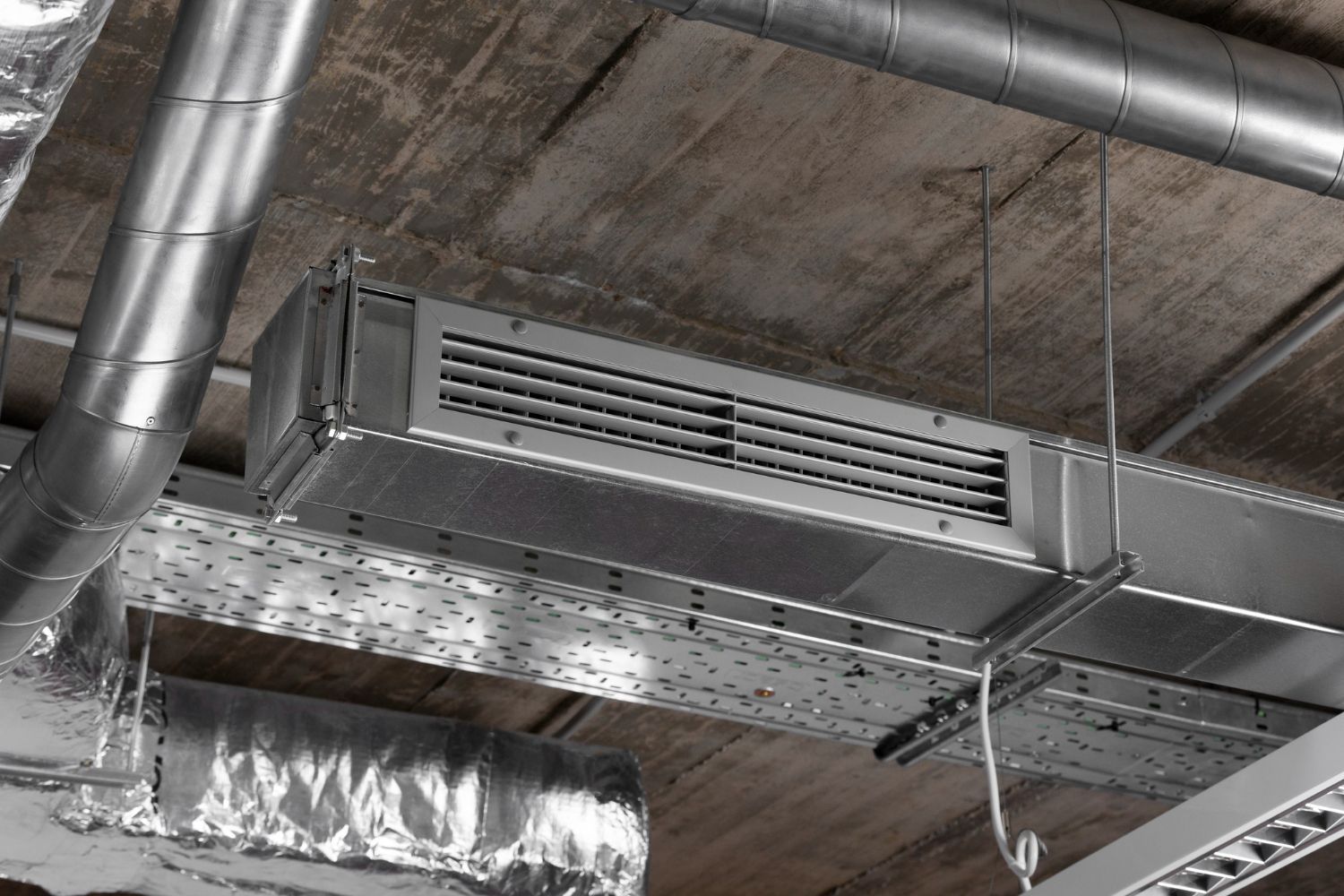
This isn't a quick vacuum of the lint trap. Professional dryer vent cleaning clears the full length of the exhaust duct — from the dryer connection point through to the exterior vent cap — using rotary brush equipment and high-powered extraction.
Step 1: Vent Inspection
We locate the full duct run, check the exterior termination cap for blockage or damage, and assess the duct material and routing before any cleaning begins.
Step 2: Rotary Brush Cleaning
Flexible rotary brushes work through the duct from the dryer end, breaking up compacted lint and debris along the full length of the exhaust run.
Step 3: High-Powered Extraction
Negative pressure extraction pulls dislodged lint out of the duct system completely — nothing is pushed back into the dryer or left sitting in the line.
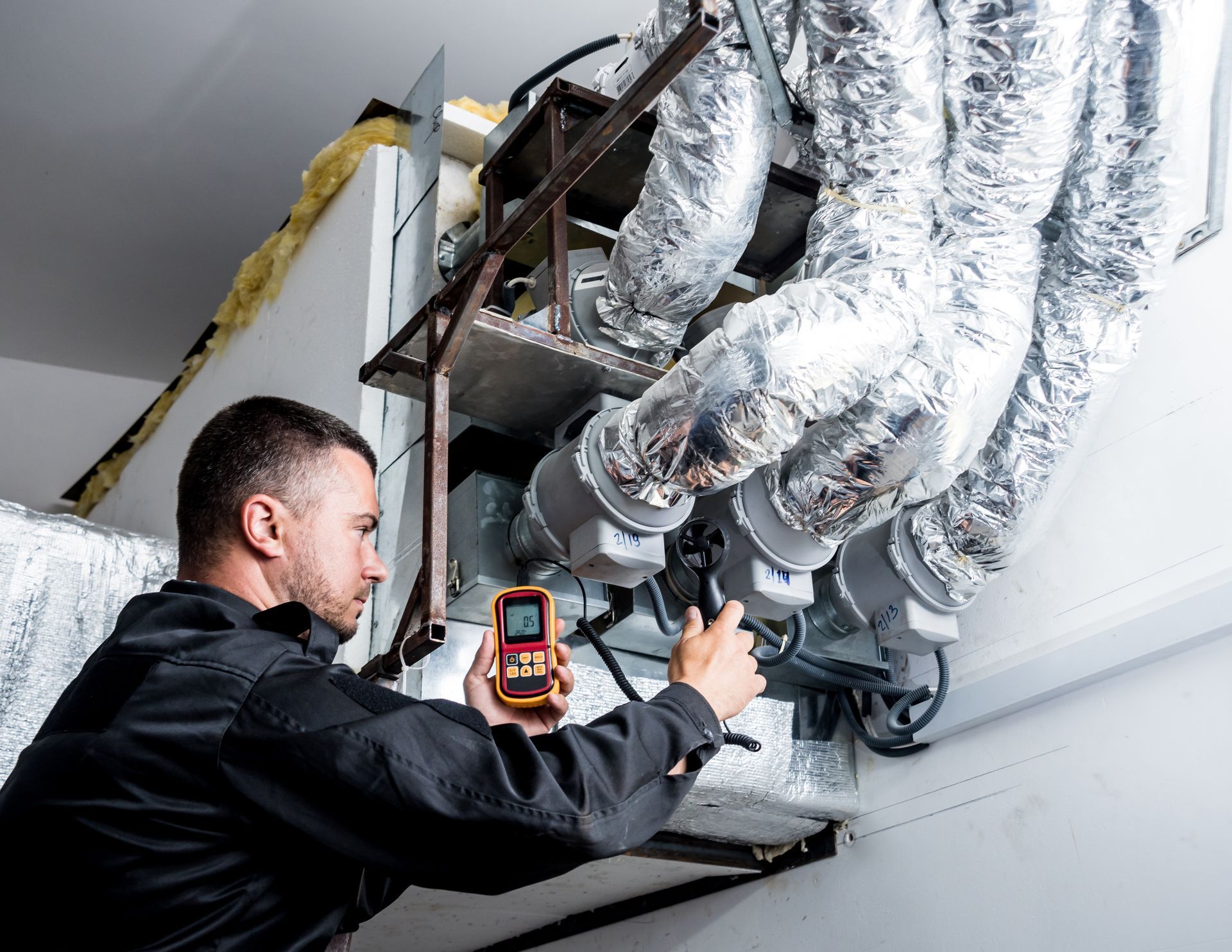
Step 4: Airflow Verification
We confirm restored airflow at the exterior cap and check that the duct is clear end to end before we pack up.
Before-and-after photo documentation is included on every job. You'll see what was in there.
Add It to Your Duct Cleaning Visit — One Trip, Both Done
Scheduling a separate appointment just for the dryer vent is a hassle most homeowners put off indefinitely. Capital Clean Air offers dryer vent cleaning as an add-on to air duct cleaning appointments — same crew, same visit, no separate scheduling required.
If you're already having your air ducts cleaned, adding the dryer vent takes a fraction of the time and costs significantly less than booking it as a standalone service. It's the most practical way to handle both in a single visit.
We also offer air duct cleaning as a standalone service for homes that are current on their ducts and only need the dryer vent addressed.
Serving the Triangle and Harnett County
Capital Clean Air provides dryer vent cleaning across south Wake County, Harnett County, and the broader Triangle area. We serve homeowners in Angier, Fuquay-Varina, Holly Springs, Garner, and Raleigh, as well as Apex, Cary, Clayton, and surrounding communities.
If you're not sure whether we cover your area, reach out — we're happy to confirm.
Frequently Asked Questions About Dryer Vent Cleaning
How often should you clean your dryer vent?
Once a year is the standard recommendation from the NADCA and the U.S. Fire Administration for most households. Homes with larger families, frequent laundry loads, or longer duct runs may benefit from cleaning every six months. If you're noticing longer drying times or any burning smell, don't wait for the annual interval.
Can a clogged dryer vent cause a house fire?
Yes — and it does, at scale. The U.S. Fire Administration attributes approximately 2,900 residential fires annually to clogged dryer vents, with failure to clean as the primary cause. Lint is highly combustible, and restricted airflow raises operating temperatures inside the duct to the point of ignition. Annual cleaning is the most direct way to eliminate that risk.
Is dryer vent cleaning worth it if my dryer still works?
A dryer that still runs isn't necessarily a dryer that's safe or efficient. Partial blockages increase drying times, raise energy costs, and put mechanical stress on the appliance — all before the vent reaches the point of causing a fire. Cleaning it annually is less expensive than the energy waste from even a few months of restricted airflow, and far less expensive than a dryer replacement or a fire claim.
What's the difference between cleaning the lint trap and cleaning the dryer vent?
The lint trap catches debris inside the dryer before it enters the exhaust duct — it should be cleared after every load. The dryer vent is the duct that runs from the dryer through the wall to the exterior of the home. Lint that passes the trap accumulates in this duct over time, and the lint trap does nothing to address it. Professional vent cleaning addresses the exhaust duct, not the trap.
Can I clean my dryer vent myself?
Brush kits sold at hardware stores can clear light accumulation near the dryer connection, but they rarely reach the full length of the duct run — particularly in homes with longer or routed duct paths. Compacted lint deeper in the line requires rotary brush equipment and extraction to remove completely. DIY cleaning that doesn't reach the full duct can give a false sense of clearance while leaving the most significant buildup in place.
Do you offer dryer vent cleaning near me in Fuquay-Varina, NC?
Yes. Fuquay-Varina is one of our primary service areas, along with Angier, Holly Springs, Garner, Raleigh, and surrounding communities throughout Wake and Harnett County. Use the quote tool to get pricing and schedule your visit online.
Ready to Clear It Out?
A clogged dryer vent is a fire risk, an energy drain, and the most common reason a working dryer stops performing. One cleaning fixes all three. Get a quote online in minutes and schedule directly — no callback required.