The Smell Isn't in the Room. It's Under the Floor.
If your first floor feels humid, smells musty, or seems harder to keep cool in summer, your crawl space is the most likely culprit — and crawl space encapsulation is how you fix it at the source.
In a vented crawl space, an estimated 60% of the air circulating through your first floor originates from below. That means moisture, mold spores, and organic odors rising through your subfloor aren't a housekeeping problem — they're a structural one. Crawl space encapsulation in NC seals that pathway and gives your home a controlled, dry foundation.
What Crawl Space Encapsulation Actually Involves
Encapsulation is not a single product — it's a system. Each component addresses a different way moisture enters and accumulates in a crawl space.
Heavy-Duty Vapor Barrier
A reinforced polyethylene liner — typically 12 to 20 mil — is installed across the crawl space floor and up the foundation walls. This is the primary moisture barrier between the ground and your home's structure. Thin plastic sheeting sold at hardware stores is not a substitute; it punctures easily and won't hold up over time.
Vent Sealing
Existing crawl space vents are sealed to prevent humid outdoor air from entering during North Carolina's long humid season. This is where vented and sealed crawl space systems diverge — and where most homeowners have questions.
Optional Dehumidifier Installation
In many NC crawl spaces, sealing alone isn't sufficient. A crawl space-rated dehumidifier maintains target humidity levels year-round and is particularly important in homes with persistent moisture intrusion or prior mold history. We'll tell you honestly during the assessment whether your crawl space needs one.
Close-Out Documentation
Every encapsulation job ends with before-and-after photo documentation of the crawl space — the liner installation, vent sealing, and any dehumidifier placement. You'll have a clear record of what was done and what your crawl space looks like now.
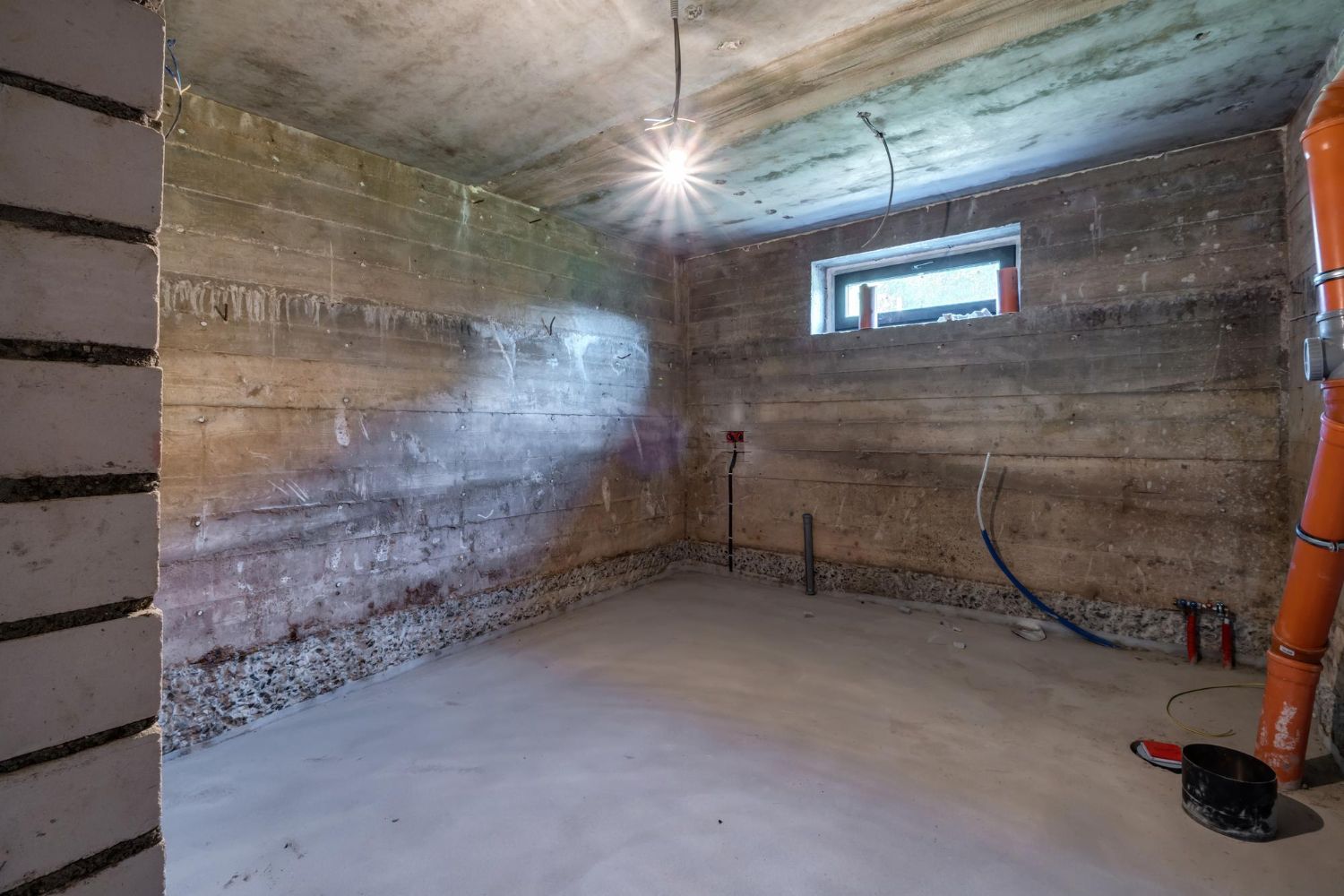
Sealed vs. Vented Crawl Space: Which Is Right for NC Homes?
North Carolina's Piedmont climate sits in a humid subtropical zone, with long summers, high dew points, and significant seasonal humidity swings. That climate makes a strong case for sealed crawl spaces in most residential applications.
A vented crawl space was the standard building approach for decades, based on the idea that outside air would dry out moisture below the floor. In a dry climate, that logic holds. In NC, it backfires — outdoor air in summer carries more moisture than the crawl space itself, and venting actively draws humid air in.
A sealed crawl space eliminates that exchange. The crawl space becomes a semi-conditioned space, humidity is controlled mechanically, and the air rising into your living areas is no longer pulling from a damp, uncontrolled environment below.
For most homes in Wake County, Harnett County, and the broader Triangle area, encapsulation outperforms the vented alternative on humidity control, energy efficiency, and long-term structural protection.
How We Approach Every Encapsulation Job
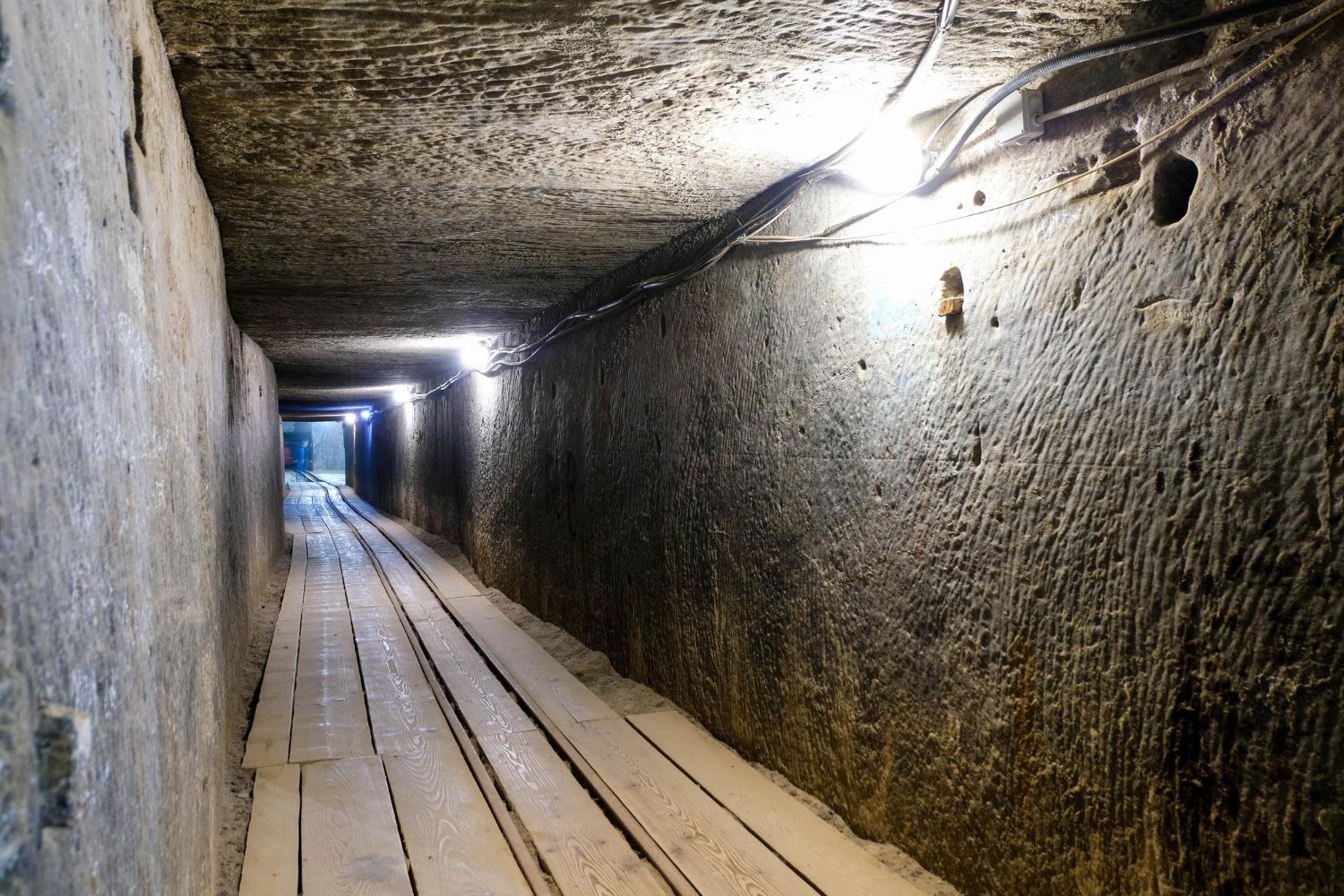
Step 1: Crawl Space Assessment
Before any material goes in, we inspect the crawl space in full — existing moisture levels, standing water, wood condition, current venting configuration, and any visible mold or pest activity. If there's an active mold problem, we'll tell you before we quote encapsulation, because sealing a crawl space with untreated mold accelerates the problem rather than solving it.
Step 2: Vapor Barrier Installation
We install a heavy-duty liner across the floor and up the foundation walls, overlapping seams and securing edges to prevent moisture migration from any direction. The barrier is rated for long-term performance — not a temporary fix.
Step 3: Vent Sealing
Existing vents are sealed using rigid foam insulation and appropriate sealants. This step converts the crawl space from a vented to a sealed system and is essential for the vapor barrier to function as intended.
Step 4: Dehumidifier Installation (When Indicated)
If the assessment identifies chronic moisture intrusion or humidity levels that passive sealing won't resolve, we install and configure a crawl space dehumidifier. We size it to your square footage and connect it to a drain line — no manual emptying required.
Step 4: Dehumidifier Installation (When Indicated)
If the assessment identifies chronic moisture intrusion or humidity levels that passive sealing won't resolve, we install and configure a crawl space dehumidifier. We size it to your square footage and connect it to a drain line — no manual emptying required.
Step 5: Documentation and Walk-Through
We photograph the completed installation and walk you through what was done. You'll know exactly what's under your floor and why it will hold.
Capital Clean Air Handles Mold and Encapsulation Together
Many homeowners discover mold when they finally investigate a persistent smell or humidity problem. If your crawl space has both moisture damage and active mold, those are two problems that need to be addressed in sequence — mold remediation first, encapsulation second.
Capital Clean Air performs both services. That means one company assessing the full picture, one scheduling conversation, and no handoff between contractors who may give you conflicting assessments. If your crawl space needs remediation before it can be sealed, we'll scope both jobs together and coordinate the timeline.
Why NC Homeowners Invest in Encapsulation
- Reduces first-floor humidity by eliminating the primary moisture source below the subfloor
- Lowers HVAC load during humid months — a drier crawl space means less work for your air handler
- Extends the lifespan of wood structural members by keeping them below the moisture threshold for rot and mold growth
- Eliminates the conditions that allow mold to recur after remediation
- Reduces pest harborage by removing the damp, dark environment that attracts insects and rodents
- Provides documented before-and-after records for your home file — useful at resale
Frequently Asked Questions About Crawl Space Encapsulation in NC
Does crawl space encapsulation actually work in North Carolina's climate?
It does — and NC's climate is precisely why it's worth doing. The Piedmont region's high summer humidity makes vented crawl spaces a consistent source of moisture problems. Encapsulation controls that moisture at the entry point rather than managing symptoms after the fact. Homes with sealed crawl spaces consistently show lower first-floor humidity and fewer recurring mold issues than comparable vented-crawl-space homes.
What's the difference between crawl space encapsulation and a vapor barrier?
A vapor barrier is one component of encapsulation — typically a polyethylene liner installed on the crawl space floor. Full encapsulation includes the vapor barrier plus vent sealing and, in many cases, a dehumidifier. A vapor barrier alone without vent sealing leaves the crawl space open to humid outdoor air and significantly limits the effectiveness of the liner.
How long does crawl space encapsulation last?
A properly installed encapsulation system with a quality liner can last 20 years or more. Liner longevity depends on the mil thickness, installation quality, and whether moisture intrusion issues were corrected before sealing. We use heavy-duty liners rated for long-term performance and document the installation so you have a baseline record.
Do I need a dehumidifier if I encapsulate my crawl space?
Not always, but often in NC. Sealing the vents and installing a vapor barrier reduces moisture significantly, but some crawl spaces — particularly those with prior water intrusion, high water tables, or persistent condensation — need mechanical humidity control to maintain target levels year-round. We assess this during the initial inspection and give you a straight answer before any work begins.
Can you encapsulate a crawl space that already has mold?
No — and any contractor who offers to should be a red flag. Sealing a crawl space with active mold traps the problem and accelerates growth in a newly contained environment. Mold remediation must be completed first. Capital Clean Air handles both, so if your crawl space needs remediation before encapsulation, we'll scope and sequence the work correctly from the start.
What does crawl space encapsulation cost in NC?
Cost depends on crawl space square footage, current condition, accessibility, and whether a dehumidifier is included. Our cost guide covers what drives pricing and what to expect at different project scopes.
Get a Quote for Crawl Space Encapsulation
We serve homeowners across Angier, Fuquay-Varina, Holly Springs, Garner, Raleigh, and the surrounding Triangle area. If your crawl space needs attention, the first step is an honest assessment — no pressure, no upsell, just a clear picture of what's there and what it will take to fix it.